Summary
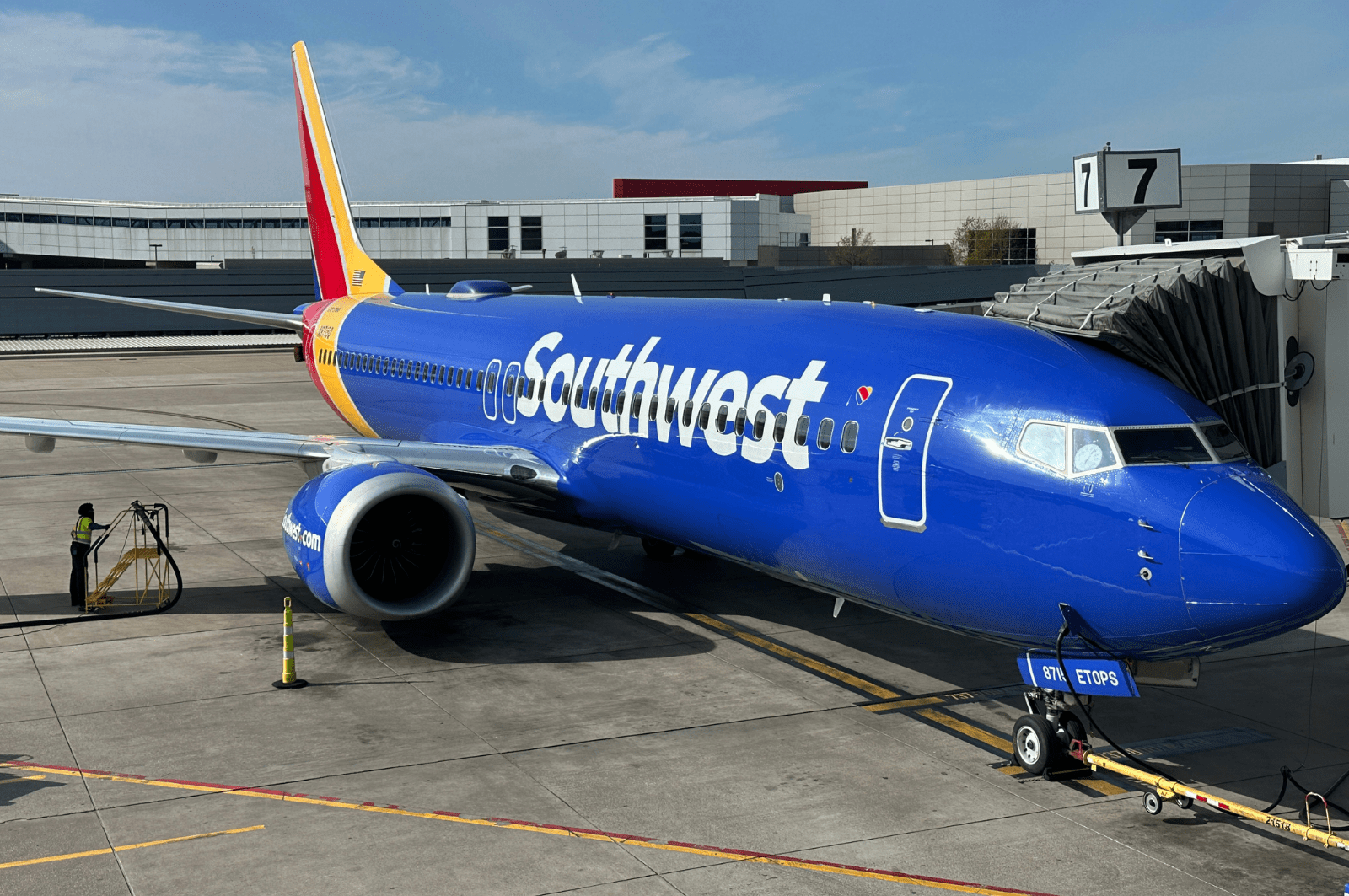
Elliott Investment Management has launched a significant boardroom challenge at Southwest Airlines, seeking to replace 10 of the airline’s 15 directors as part of a broader effort to oust the CEO and improve the company’s performance. This move comes in response to Southwest’s declining stock price, which has dropped 24% in the past year, and concerns over its turnaround plan. Elliott's nominees for the board include experienced former airline executives, aiming to provide shareholders with an alternative to the current leadership. Southwest has reacted by adopting a "poison pill" strategy to prevent a potential takeover. The airline's earnings have been under pressure due to issues like delayed plane deliveries and industry-wide overcapacity.
Blockchain in Commodities Trading
Blockchain technology ensures transparency and security in transactions by providing a decentralized ledger that records all trading activities. This technology helps reduce fraud, enhance traceability, and streamline the entire trading process. Companies using blockchain can guarantee the authenticity of their products and ensure compliance with industry standards. As a result, blockchain is becoming an integral part of modern commodity trading.
AI and Big Data Analytics
Artificial intelligence and big data analytics are transforming how market trends are predicted and trading decisions are made. By analyzing vast amounts of data, AI algorithms can identify patterns and provide insights that human traders might miss. These technologies help in optimizing trading strategies, managing risks, and improving overall profitability. The integration of AI and big data analytics is setting a new standard for efficiency and accuracy in commodity trading.
Enhanced Risk Management
Technology also plays a critical role in enhancing risk management in commodity trading. Advanced risk management tools utilize AI and machine learning to monitor and predict potential risks. These tools can analyze market volatility, geopolitical events, and other risk factors in real-time, allowing traders to make proactive adjustments to their portfolios.
By incorporating these technologies, traders can develop more robust risk management strategies that are adaptive to changing market conditions. For example, AI algorithms can identify early warning signs of market disruptions, enabling traders to mitigate losses and seize opportunities promptly. This proactive approach to risk management is essential for maintaining stability and profitability in the volatile commodities market.
Smart Contracts
Another significant technological advancement in commodity trading is the use of smart contracts. These are self-executing contracts with the terms of the agreement directly written into code. Smart contracts automatically enforce and verify the terms of a contract, reducing the need for intermediaries and minimizing the risk of human error.
Smart contracts streamline the trading process by automating tasks such as payments, deliveries, and compliance checks. This automation not only speeds up transactions but also ensures accuracy and transparency. As a result, smart contracts enhance trust and efficiency in commodity trading, providing a reliable and tamper-proof mechanism for executing trades.
technology is revolutionizing commodity trading by enhancing transparency, security, and efficiency. Blockchain and AI-driven analytics are at the forefront of this transformation, providing deeper insights and more secure transactions. Smart contracts and advanced risk management tools further streamline trading processes and mitigate risks. As these technologies continue to evolve, they will play an increasingly vital role in shaping the future of commodity trading, driving innovation, and setting new industry standards. The integration of these technologies promises a future where commodity trading is more accessible, efficient, and resilient.